Is Your Office Working Against Neurodivergent Colleagues?
5 Changes Sussex SMEs Can Make This Month
Somewhere in your office today, someone is sitting under a flickering strip light with a headache they haven’t mentioned. Someone else has their earbuds in with nothing playing, just to take the edge off the open-plan noise. Another person is silently counting down to the moment they can leave for a quieter room that doesn’t exist in your building.
These workarounds are easy to miss. They still cost energy, focus and, over time, goodwill. Acas describes neurodiversity as the natural differences in how people think, learn and process information. Yet many offices are still built around a fairly narrow idea of where and how people work best.
Treat neuroinclusive office design as a practical brief: remove barriers that make concentration harder and give people more control over where they work. You can make a meaningful start without a policy binder, an architect or a consultant’s day rate.
The Talent You Don’t Know You’re Losing
Bad office design doesn’t just make neurodivergent staff uncomfortable. It can make it harder for good people to focus, contribute and stay. Recent research from Neurodiversity in Business and Birkbeck, University of London found that neurodivergent employees continue to have a worse experience of work. Its 2026 research report identifies cognitive load, inconsistent organisational support and inflexible structures as key drivers of burnout.
The built environment is part of that experience. Bright or flickering lights, overlapping conversations, strong smells and nowhere private to take a call can each add to the mental work of getting through the day. These irritations aren’t limited to neurodivergent colleagues, of course. An office that gives people some control over light, noise and space tends to be a better office for everyone.
A 2025 guide to neurodivergent office design from Making Moves London describes how sensory sensitivities can turn lighting, background chatter, air conditioning and strong smells into significant workplace barriers. When the surroundings repeatedly disrupt your team, treat the environment as something you can change.
The Confidence Gap That’s Costing SMEs
Most employers genuinely think they’re doing a reasonable job here. Good intentions, however, don’t automatically create a usable workplace. A manager can be supportive whilst the office itself still makes concentration needlessly difficult.
For an SME without a large HR department, that gap can be particularly easy to miss. There may be no specialist responsible for neuroinclusion, no facilities team reviewing sensory barriers and no formal route for requesting a small change. It falls between job descriptions, where it can stay until somebody leaves.
This is also a legal responsibility, not just a wellbeing initiative. Acas explains that neurodivergence will often amount to a disability under the Equality Act 2010, meaning employers may need to make reasonable adjustments. Those adjustments won’t look identical for everyone. Removing obvious barriers makes individual conversations easier, but good general design cannot replace listening to a person’s needs and considering adjustments with them.
You also won’t necessarily know who is affected by a badly lit meeting room or buzzing air conditioning unit. Disclosure is personal, and some employees may not have a diagnosis or use a particular label. Building flexibility into the space means people can benefit without first having to explain their medical history.
Return-to-Office Mandates Can Filter Out Good People
Among the neurodivergent employees surveyed for the 2026 Neurodiversity in Business and Birkbeck report, 38% had received a return-to-office mandate. More than half of those affected said it made them reconsider staying with their employer. The report also found that psychological safety hadn’t improved since its earlier research.
For many neurodivergent people, hybrid working provides valuable control over sensory input on the days they need it. Removing that flexibility without improving the physical environment can turn an attendance policy into a retention problem.
The office still has an important role. It can offer connection, routine and access to colleagues that home working doesn’t always provide. But the office has to earn the journey. People need some choice about where to focus, where to talk and when a task genuinely benefits from being done together.
For Sussex SMEs, that choice can become a recruitment advantage. Larger employers may be able to offer bigger salaries, but smaller businesses can often make practical changes faster. You don’t need three committees to move a desk away from a noisy doorway or let someone use a quieter room. Thoughtful flexibility can make you a more attractive employer without adding another benefit to the payroll.
Five Things You Can Change This Month
None of this needs an architect or a six-figure fit-out. BSI’s PAS 6463, Design for the Mind, provides guidance on designing and managing built environments for a neurodiverse society. It covers sensory needs including lighting, acoustics, thermal comfort and wayfinding. Here are five places to start:
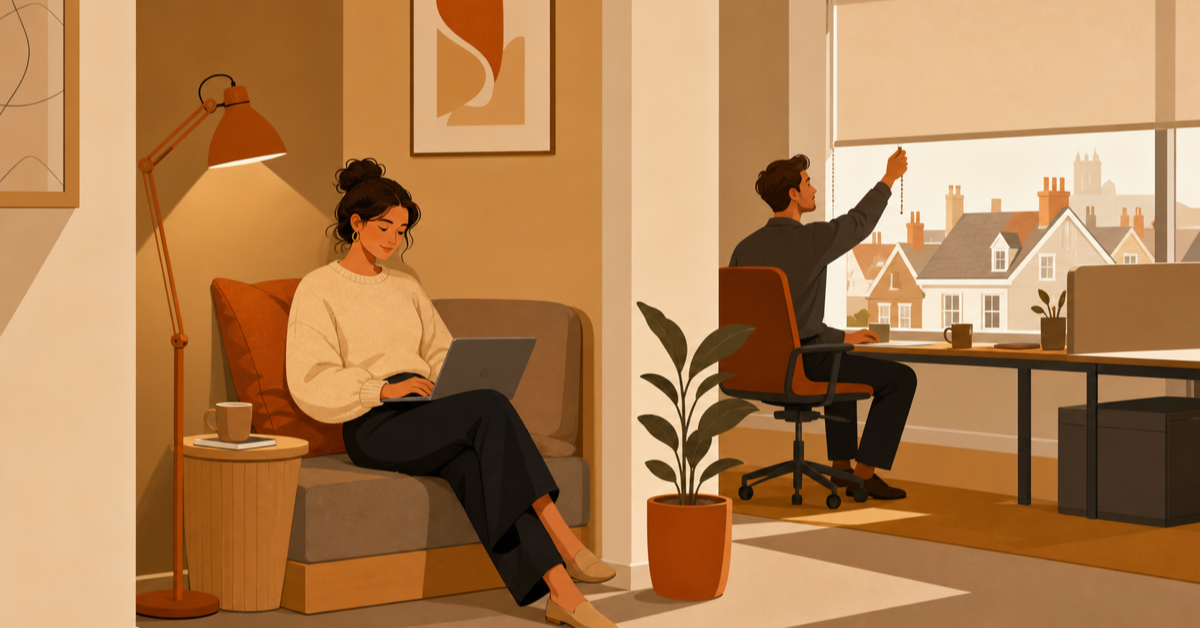
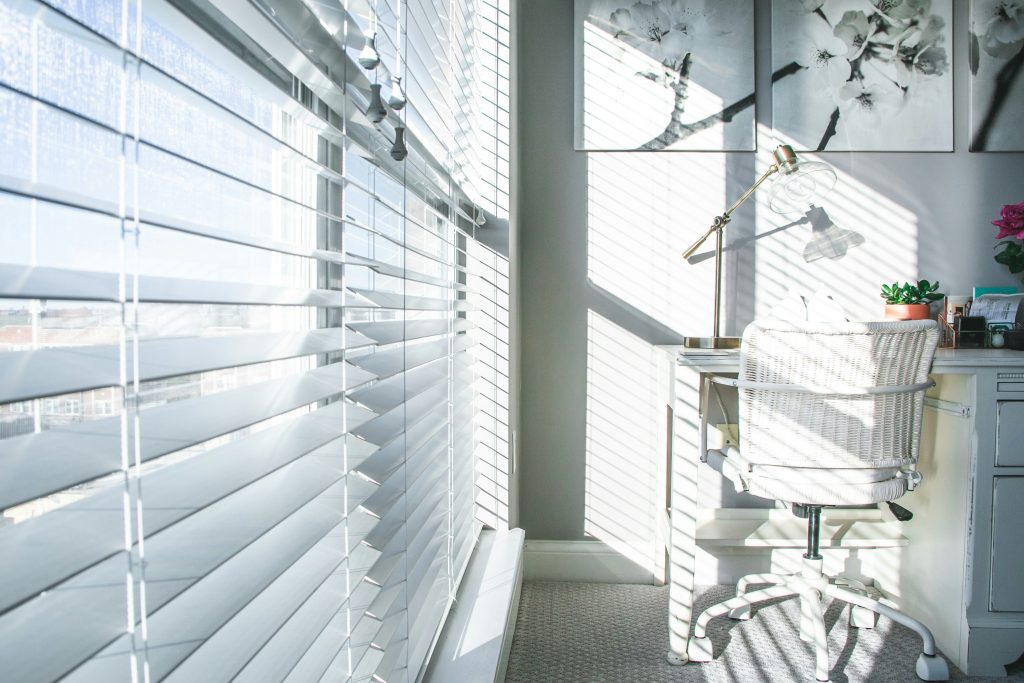
- Give people more control over lighting. Replace flickering fluorescent tubes with flicker-free, dimmable LEDs where possible. Make use of natural light, but add blinds so glare doesn’t become the next problem. Desk lamps can be a useful low-cost option for people who need individual control.
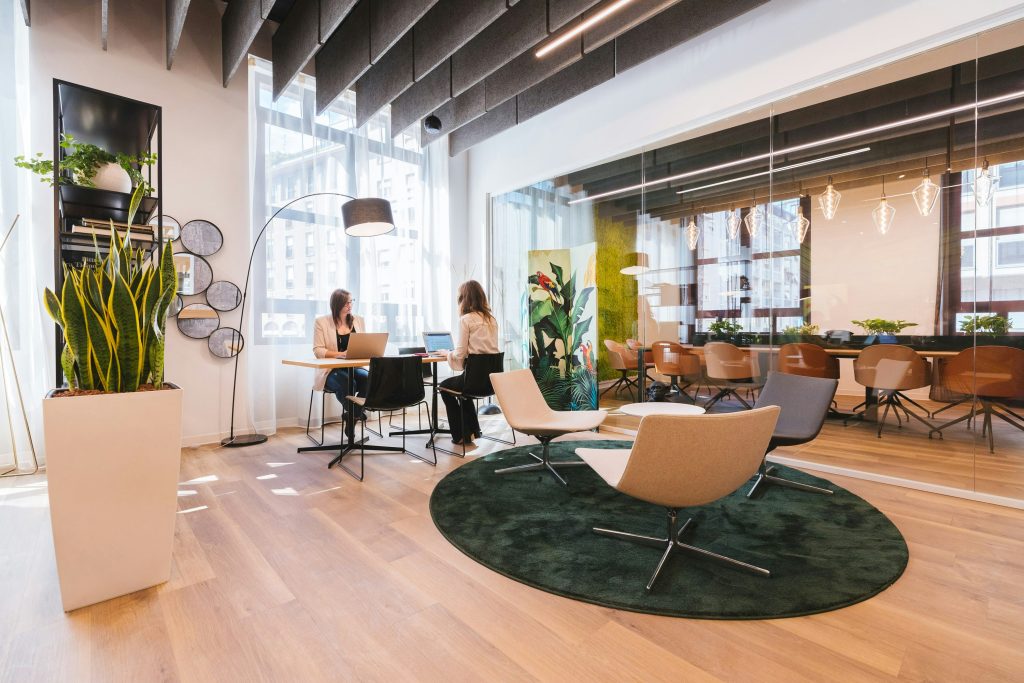
- Create somewhere quiet to go. You don’t necessarily need a soundproofed pod. A corner with soft furnishings, acoustic panels and a clear “do not disturb” understanding can do much of the job. If you’ve got a phone booth or underused meeting room, you may already have a quiet zone waiting to be used.
- Build in variety, not just desks. Different tasks need different settings. Provide somewhere for focused work, somewhere for conversation and a proper room for calls. Our guide to creating a distraction-free workspace has more practical ideas for reducing interruptions without turning the office into a library.
- Calm the visual noise. Consider colour, lighting, acoustics and access to quiet rooms together. Busy patterns, harsh contrasts and branding on every available surface can make a space work harder than it needs to. A calmer office doesn’t have to look clinical; it simply needs to give people’s attention fewer things to fight.
- Check air and temperature. It’s the least glamorous item on this list and one of the easiest to overlook. Check ventilation, ask whether temperatures are comfortable and deal with persistent smells where you can. The office thermostat may never produce universal agreement, but that doesn’t mean you should give up before asking.
These changes are useful, but don’t treat them as a substitute for listening. Ask the whole team what helps them focus and what gets in the way. Offer options instead of singling anybody out, then make it clear that people can discuss individual adjustments privately.
Build Inclusion Into the Space, Then Ask What People Need
For a business with two to 20 people, everyday decisions about the office carry real weight. Improving lighting, reducing unnecessary noise and providing a choice of work settings can remove common barriers before somebody has to ask. Individual needs will still differ, so inclusive design should sit alongside a straightforward, trusted process for requesting adjustments.
More control over lighting, noise and workspace tends to help a wider group than the people who initially request it. The same thinking supports workplace wellbeing more broadly, rather than treating inclusion as a separate project that sits in a folder.
At JetSpace, we’re in the office business, so naturally we have a view on this. Flexibility is one reason serviced offices can work well for small teams. At our Grand Parade site in central Brighton and our Shoreham location at Brighton City Airport, private offices, meeting spaces and shared areas give teams options beyond expecting one desk to suit every task. Whether you’re running a five-person consultancy or a growing creative studio, that choice matters.
The Birkbeck researchers call the wider benefit “neurodiversity gain”: when organisations redesign systems, processes and cultures to work for neurodivergent people, others benefit too. A quiet room can help someone with sensory sensitivities and the colleague trying to finish a difficult proposal. Different work zones allow everyone to choose a setting that suits the task.
The best place to start is simple: ask your team what helps them focus, what gets in the way and which one change would make the greatest difference. Then fix the obvious things first.
If you found this useful, you might also enjoy our guides to embracing the benefits of adaptive working, creating a connected company culture and how a dedicated workspace enhances work-life balance.
Looking for new serviced office space in Brighton & Shoreham?
Call on 01273 917977 or complete our enquiry form.
Call on 01273 917977 or complete our enquiry form
enquire book a viewing